
Free GCC Assessment with Experts

Medical Device Software Development Services (SaMD & SiMD)
Medical devices are increasingly defined by software rather than hardware alone. From diagnostic algorithms and digital therapeutics to connected monitoring platforms, AI powered imaging systems, and clinical decision support tools, software now plays a central role in clinical outcomes, patient safety, and regulatory compliance. Zymr helps medtech companies, digital health innovators, and healthcare organizations engineer Software as a Medical Device (SaMD) and Software in a Medical Device (SiMD) solutions, spanning FDA aligned AI applications, cloud based diagnostic platforms, embedded software, and connected device ecosystems built for real world clinical environments.


.png)
Software is becoming the primary source of innovation across the medical device industry. Today's medical devices increasingly depend on software to diagnose disease, support clinical decisions, guide treatment, monitor patients remotely, analyze medical images, and deliver therapeutic interventions. At the same time, regulatory expectations continue to evolve.
The challenge is building software that can operate safely in patient care environments, withstand regulatory review, and scale after deployment. As part of our broader Healthcare Engineering Services practice, Zymr engineers medical device software across the full spectrum of SaMD and SiMD categories, combining clinical workflows, regulatory engineering, AI capabilities, device connectivity, and quality-system alignment into a unified development approach.
19
hours earlier sepsis detection proven
29%
mortality reduction demonstrated
AI-powered clinical platforms delivered
HIPAA-aligned healthcare engineering expertise
SaMD vs. SiMD: Which Are You Building?
When designing digital health applications, understanding your regulatory classification early changes your entire product roadmap. The distinction between Software as a Medical Device (SaMD) and Software in a Medical Device (SiMD) determines your data pipelines, testing strategies, and filing paths under the latest global regulatory updates.
Medical Device Software Development Needs
SaMD/SiMD Strategy & Regulatory Pathway Consulting

SaMD Development (Standalone Software)
SiMD & Embedded Firmware Development
AI/ML SaMD with PCCP Engineering
Regulatory Documentation & V&V (IEC 62304)
Medical Device Software Modernization & Maintenance
Understanding the Structural Differences
Software as a Medical Device (SaMD)
SaMD is standalone software built to achieve medical goals completely on its own, without being part of a physical medical device. It runs seamlessly on general purpose hardware like standard smartphones, tablets, or cloud servers.
- The Blueprint:
An artificial intelligence tool that processes medical images to flag potential tumor margins, or a mobile application that tracks home biometric trends to dynamically alter insulin dosing targets.
- The Engineering Priority:
Platform portability, secure consumer API gateways, and rigorous over the air change control protocols.
Software in a Medical Device (SiMD)
SiMD is embedded software, firmware, or microcode that serves as an internal component of a physical hardware medical device. It cannot function independently because its primary purpose is to drive, control, or power the physical equipment itself.
- The Blueprint:
The embedded code that controls the inflation rate of a digital blood pressure cuff, or the inner operating systems running an infusion pump or an MRI scanner.
- The Engineering Priority:
Hardware software interface validation, microsecond timing constraints, and strict hardware lifecycle synchronization.
How We Build for Digital Health Success
Whether your product sits standalone in the cloud or functions embedded within a medical instrument, our engineering teams ensure your software complies fully with modern global regulations. This includes total alignment with the latest FDA Quality Management System Regulation (QMSR) standards which formally incorporate ISO 13485:2016 by reference, alongside strict lifecycle adherence to IEC 62304 safety specifications. We build robust, audit-ready testing pipelines that keep your code reliable, secure, and fully prepared for market launch.
Medical Device Software Engineering Capabilities
SaMD (Software as a Medical Device) Layer
SiMD & Embedded Layer
AI/ML Medical Device Layer
Regulatory & Quality Engineering Layer
Verification & Validation Layer
Regulatory Submission Support Layer
Cybersecurity & Connectivity Layer
Medical Device Software Development Services (SaMD & SiMD)
Community Health Network- IoMT Early Warning Platform
A 4,500-bed health system required a real-time clinical monitoring platform capable of identifying patient deterioration earlier and improving care outcomes.Zymr engineered a cloud-deployed IoMT platform that analyzed clinical and device-generated data streams to detect sepsis 19 hours earlier, contributing to a 29% reduction in mortality across monitored populations.
Project Details →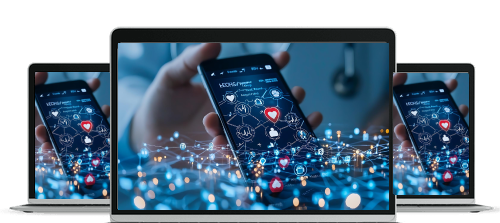
Digital Health Platform Engineering (Mozzaz)
A digital health company required a scalable platform capable of supporting patient engagement, care interventions, healthcare analytics, and interoperability across a growing user base.Zymr engineered a multi-tenant healthcare platform with HIPAA-aligned architecture, AI-driven analytics, patient engagement workflows, and EHR integration capabilities.
Project Details →.png)
AI-Driven Healthcare Intelligence Platform
Healthcare organizations increasingly rely on AI to improve operational and clinical decision-making.Zymr engineered an AI-powered healthcare platform that achieved 91% prediction accuracy while helping recover more than $24 million in value through intelligent automation and predictive analytics.
Project Details →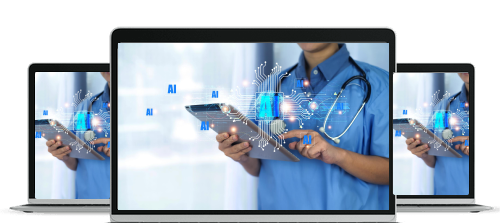
Who We Build Medical Device Software For
Medical Device Manufacturers
Medical-device companies increasingly compete through software innovation. We help manufacturers build embedded software, firmware, device-control systems, connectivity layers, and intelligent clinical capabilities that enhance product functionality while supporting regulatory compliance and lifecycle management.
Digital Health & SaMD Startups
Many digital-health innovators begin with a clinical idea but lack experience navigating regulated software-development processes. We help startups transform concepts into regulatory-ready products through architecture design, risk management, validation planning, quality-system alignment, and scalable engineering practices.
Digital Therapeutics (DTx) Companies
Digital therapeutics combine software, behavioral science, and clinical evidence. We engineer DTx platforms that support therapeutic interventions, patient engagement, care management, treatment adherence, analytics, and connected clinical workflows while maintaining regulatory readiness.
Diagnostic & Imaging Companies
Diagnostics increasingly depend on software-driven intelligence. We build diagnostic applications, imaging-analysis platforms, AI-powered screening tools, workflow automation systems, and clinical-support solutions designed for regulated healthcare environments.
RPM & Connected Device Companies
Remote Patient Monitoring Software continue to evolve into intelligent clinical systems. We help organizations build connected monitoring solutions that combine devices, analytics, cloud platforms, clinician workflows, and patient engagement into unified care ecosystems.
Pharmaceutical & Drug-Device Companies
Software increasingly plays a critical role in drug-delivery systems, companion applications, adherence programs, and connected therapeutic ecosystems. We help pharmaceutical organizations engineer software platforms that support combination products, patient engagement, data collection, and treatment optimization..
Why Zymr
AI/ML SaMD with PCCP Engineering
Full SaMD + SiMD Spectrum
Connected Clinical Ecosystems
Agile in Regulated Environments
GCC MedTech Engineering Squads
Solutions We Deliver
End-to-End SaMD Development
Many organizations have strong clinical expertise but limited experience navigating regulated software development. We provide end-to-end SaMD engineering services covering product strategy, requirements definition, architecture design, AI/ML development, quality-system alignment, risk management, verification and validation, cybersecurity, interoperability, and regulatory documentation.The result is a software product designed not only for clinical effectiveness, but also for regulatory success.
SiMD & Embedded Firmware Development
While many healthcare software firms focus exclusively on applications, we engineer the software running inside the device itself.Our teams develop embedded firmware, RTOS-based systems, device-control software, sensor-processing engines, communication stacks, and connected-device architectures that support safe and reliable device operation across regulated environments.These initiatives frequently complement broader Medical Device Integration Services and IoMT Solutions programs.
Regulatory Documentation & V&V
Successful medical-device software requires more than functional code. It requires evidence. We help organizations establish regulatory-ready documentation frameworks including software requirements, architecture documentation, risk-management files, traceability matrices, test protocols, verification records, validation evidence, cybersecurity artifacts, and Design History Files (DHFs).This helps reduce submission risk while improving audit readiness.
Legacy Medical Software Modernization
Many regulated medical applications were built years ago and struggle to support modern interoperability, cloud-native architectures, cybersecurity expectations, AI-driven capabilities, and evolving user needs. We modernize legacy medical software through platform re-architecture, cloud enablement, interoperability enhancements, UI modernization, security improvements, and lifecycle updates while preserving regulatory continuity. Organizations pursuing connected-care strategies often combine modernization efforts with broader EHR Development Services and interoperability initiatives.
AI/ML SaMD with PCCP Engineering
This is one of the most important emerging areas in medical-device software. Building an AI model is only part of the challenge. The real challenge is creating a regulatory framework that allows the model to evolve safely after deployment. We engineer AI-enabled SaMD platforms that combine algorithm development, validation frameworks, explainability controls, model monitoring, drift detection, and Predetermined Change Control Plans (PCCPs) designed to support long-term regulatory compliance.These initiatives frequently leverage our broader AI/ML Services and MLOps engineering expertise.
Connected SaMD (CDSS, DTx & RPM)
Medical-device software increasingly operates within larger healthcare ecosystems. Clinical decision support tools exchange data with EHRs. Digital therapeutics interact with patient-engagement platforms. Remote monitoring solutions depend on connected devices, analytics engines, and clinician workflows. We engineer connected SaMD ecosystems that combine FHIR interoperability, clinical workflows, cloud-native infrastructure, patient engagement, and intelligent analytics into unified healthcare experiences.
RPM Revenue Engine
RPM reimbursement complexity often prevents programs from scaling sustainably. We engineer reimbursement-aware RPM systems with CPT 99453–99458 automation, clinician time capture, CMS audit visibility, reimbursement reporting, and operational analytics that transform RPM into a measurable financial care-delivery model.
Tech Stack
Embedded & Firmware Engineering
C, C++, Embedded Linux, FreeRTOS, Zephyr RTOS, ARM Cortex-M, bare-metal firmware development
These technologies power medical-device firmware, real-time monitoring systems, sensor-processing engines, and device-control software operating within regulated environments.
Mobile Medical Applications
Swift, Kotlin, React Native, Flutter
We build patient-facing and clinician-facing medical applications supporting diagnostics, monitoring, digital therapeutics, treatment adherence, and connected-care workflows.
Web & Cloud Engineering
React, Angular, Node.js, Python, Java Spring Boot
Modern SaMD platforms increasingly depend on cloud-native architectures capable of supporting scalability, interoperability, analytics, and secure healthcare-data management.
AI/ML for Medical Devices
TensorFlow, PyTorch, scikit-learn, MLflow, model-monitoring frameworks
Many of these initiatives leverage our broader AI/ML Services and MLOps Engineering Services expertise to support AI-enabled SaMD, PCCP implementation, model governance, drift detection, and lifecycle monitoring.
Cloud Infrastructure
AWS, Microsoft Azure, Google Cloud Platform
We engineer HIPAA-aligned and healthcare-ready Cloud Security Services that support regulated software development, interoperability, AI workloads, and connected-care ecosystems.
Healthcare Interoperability
FHIR, HL7, DICOM, SMART on FHIR
Interoperability remains critical for connected medical-device ecosystems. We build integration layers that enable medical-device software to exchange data across EHR Development Services, RPM platforms, CDS systems, and healthcare applications.
ALM & Quality Platforms
Polarion, Jama Connect, Greenlight Guru, Azure Dev
These platforms support requirements management, traceability, risk management, verification workflows, quality documentation, and regulatory readiness across the software lifecycle.
Verification & Validation Tooling
Automated test frameworks, traceability-management tools, test-automation platforms, compliance-testing environmentsMany of these initiatives naturally align with our broader Healthcare Software Testing Services expertise.
AI & Engineering Accelerators
ZOEY AI Orchestration Platform ZAIQA AI-Powered QA Platform
These accelerators help improve AI governance, validation workflows, test automation, engineering productivity, and software quality across complex healthcare programs.
Standards & Regulations We Engineer To
FDA Regulations
We support software development aligned with FDA regulatory pathways and quality requirements, including:
- FDA 510(k)
- De Novo Classification
- Premarket Approval (PMA)
- 21 CFR Part 820 Design Controls
- 21 CFR Part 11 Electronic Records & Signatures
Software Lifecycle Standards
Software lifecycle management sits at the center of regulated software engineering.
We align development processes with:
- IEC 62304 Medical Device Software Lifecycle Processes
- IEC 82304-1 Health Software Product Safety
These frameworks guide planning, development, testing, maintenance, and change management activities throughout the software lifecycle.
Quality Management Systems
Quality systems create the operational foundation for regulated product development.
We help organizations align software engineering activities with:
- ISO 13485 Quality Management Systems
This ensures engineering practices support broader organizational quality objectives and regulatory expectations.
Risk Management Standards
Patient safety begins with systematic risk management.
Our teams support:
- ISO 14971 Risk Management for Medical Devices
This includes hazard identification, risk analysis, mitigation planning, verification activities, and residual-risk evaluation across the product lifecycle.
Usability Engineering
Poor usability can create clinical risk.
We support:
- IEC 62366 Usability Engineering
This helps ensure software interfaces are intuitive, safe, and effective for intended users while reducing the likelihood of use-related errors.
Electrical Safety (SiMD Environments)
For software operating within electrical medical devices, we support:
- IEC 60601-1 Medical Electrical Equipment Safety
These requirements often influence device architecture, firmware design, testing approaches, and system-level validation activities.
EU Regulatory Frameworks
Organizations targeting global markets must address international regulatory expectations.
We support:
- EU MDR
- MDCG 2019-11 Guidance
- CE Marking Readiness
This helps streamline expansion beyond U.S. markets while maintaining compliance consistency.
AI & Adaptive Algorithm Governance
AI-enabled medical devices require emerging governance frameworks.
We support:
- FDA AI Device Guidance
- Predetermined Change Control Plans (PCCP)
- Algorithm Change Protocols
- AI Lifecycle Governance
This is becoming one of the most important areas of modern SaMD engineering.
Computer Software Assurance (CSA)
Regulatory validation is evolving. We help organizations adopt FDA-aligned Computer Software Assurance (CSA) principles that focus validation efforts on risk and product quality rather than excessive documentation.
The result is a more efficient and modern validation strategy without sacrificing compliance.
Frequently Asked Questions
What is medical device software development?
Medical device software development involves designing, building, validating, and maintaining software that performs medical functions or operates within medical devices. Depending on intended use, the software may be regulated under FDA, EU MDR, and other global medical-device frameworks.
What standards apply to medical device software?
Common standards include IEC 62304 for software lifecycle processes, ISO 13485 for quality management, ISO 14971 for risk management, IEC 62366 for usability engineering, and IEC 60601-1 for electrical medical-device environments.
What is the FDA 510(k) pathway for SaMD?
The 510(k) pathway allows manufacturers to demonstrate substantial equivalence to an existing legally marketed predicate device. Many SaMD products enter the U.S. market through this process, although De Novo and PMA pathways may apply depending on risk and novelty.
What is a Predetermined Change Control Plan (PCCP)?
A PCCP is a regulatory framework that defines how AI-enabled medical-device software can be updated after deployment. It establishes approved change boundaries, validation requirements, monitoring processes, and governance controls that support future model evolution.
What is the difference between IEC 62304 and IEC 60601-1?
IEC 62304 focuses on medical-device software lifecycle processes, while IEC 60601-1 primarily addresses the safety of electrical medical equipment. Many SiMD products require consideration of both standards.
How much does medical device software development cost?
Costs depend on product complexity, regulatory classification, software scope, AI requirements, validation effort, interoperability needs, cybersecurity requirements, and submission strategy. Regulated software typically requires additional engineering and quality activities compared to conventional software projects.
What is the difference between SaMD and SiMD?
Software as a Medical Device (SaMD) performs medical functions independently of dedicated hardware. Software in a Medical Device (SiMD) operates as part of a physical medical device and supports monitoring, sensing, control, communication, or therapy delivery.
Does my software qualify as a medical device?
The answer depends primarily on intended use, clinical claims, risk profile, and how the software influences diagnosis, treatment, monitoring, or patient care. Regulatory classification should be evaluated early in the product lifecycle.
How does agile development work in FDA-regulated software?
Agile development can coexist with regulated environments when supported by strong traceability, risk management, documentation controls, verification processes, validation evidence, and quality-system alignment throughout the software lifecycle.
How do you develop AI/ML-based SaMD?
AI-enabled SaMD development requires algorithm design, validation planning, explainability controls, risk management, monitoring frameworks, drift detection, lifecycle governance, and regulatory documentation alongside traditional software engineering practices.
What is Computer Software Assurance (CSA)?
CSA is the FDA's risk-based approach to software validation. It encourages organizations to focus validation effort on product quality, patient safety, and critical risks rather than excessive documentation activities.
How does Zymr price SaMD and SiMD development?
Pricing depends on the product category, regulatory pathway, validation scope, AI requirements, firmware complexity, interoperability needs, and engagement model. Organizations can engage Zymr through project-based delivery, dedicated medtech teams, or long-term GCC models.
Ready to build medical device software that clears the FDA and improves patient outcomes?
Zymr engineers SaMD and SiMD solutions, from cloud-based diagnostic platforms and digital therapeutics to embedded device firmware and connected healthcare ecosystems, with IEC 62304 lifecycle processes, ISO 13485 alignment, AI/PCCP capabilities, cybersecurity engineering, and CSA-based validation delivered through specialized medtech GCC squads.

.svg)
.svg)
.svg)
.svg)
.svg)
.svg)