
Connected medical devices are transforming healthcare, but connectivity alone does not improve patient outcomes. The real value comes from a platform that securely connects medical devices, streams clinical data in real time, integrates with healthcare systems, and applies AI to generate actionable clinical insights. As part of Zymr's broader Healthcare Software Development Services expertise, we help hospitals, health systems, medtech companies, digital health providers, and healthcare startups build scalable Internet of Medical Things (IoMT) platforms that combine device connectivity, fleet management, FHIR-native interoperability, edge computing, AI-powered clinical analytics, and cloud-native infrastructure into a unified ecosystem.


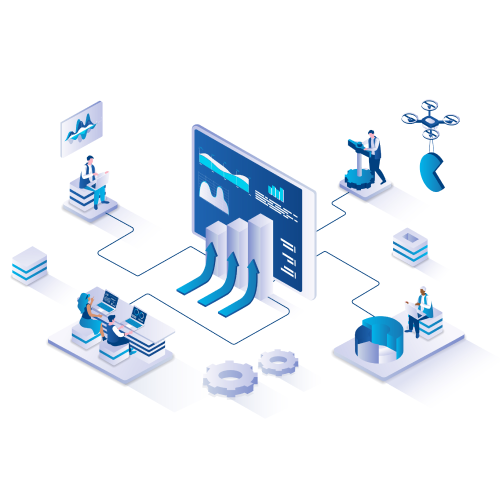
Healthcare organizations are deploying more connected medical devices than ever before, from patient monitors and infusion pumps to wearables, imaging systems, and home health devices. Yet much of this data remains fragmented, limiting real-time clinical decision making and care coordination.
Modern IoMT platform development goes beyond device connectivity. It unifies device management, telemetry ingestion, EHR integration, and AI-driven analytics into a single platform that powers smarter operations, predictive care, and initiatives such as Remote Patient Monitoring Solutions and connected healthcare ecosystems.
Zymr engineers secure, scalable Internet of Medical Things platforms that help healthcare organizations manage connected devices, integrate clinical data, and transform continuous telemetry into actionable insights.
Connecting medical devices is only the first step. A true Internet of Medical Things (IoMT) platform provides the infrastructure that securely connects devices, manages their lifecycle, ingests and standardizes clinical data, integrates with healthcare systems, and transforms continuous telemetry into actionable clinical intelligence. Without this platform layer, connected devices often become isolated data sources rather than contributors to better patient care.
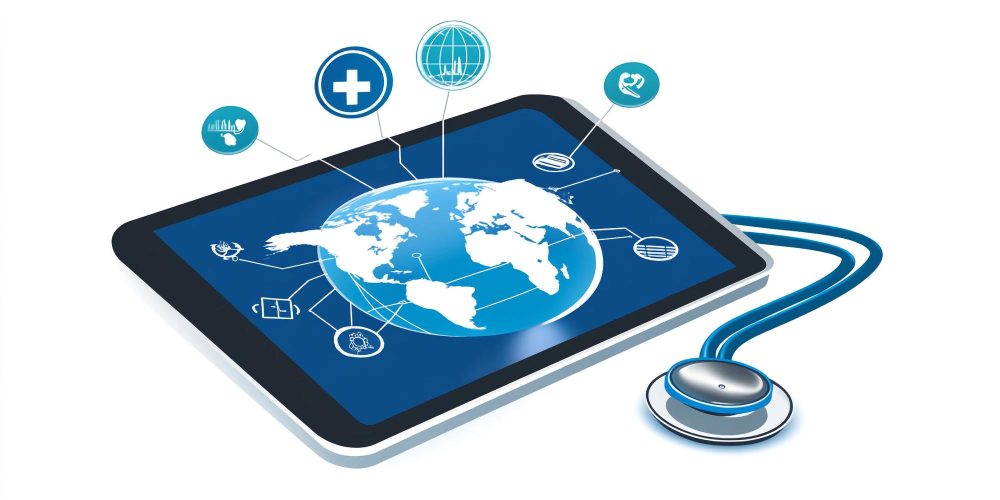
Every successful IoMT platform begins with the right architecture.Should telemetry be processed at the edge or in the cloud? Which communication protocols should be supported? How will device data integrate with EHRs? Which AI capabilities deliver the greatest clinical value?We help healthcare organizations define platform architecture, technology roadmaps, interoperability strategies, cloud infrastructure, and long-term modernization plans that align with clinical, operational, and regulatory goals.
Connecting devices is only the beginning.Healthcare organizations must provision, authenticate, monitor, update, and manage thousands of connected medical devices throughout their lifecycle.We engineer device-agnostic platforms that support secure onboarding, fleet management, remote diagnostics, OTA firmware updates, device identity, and operational monitoring across diverse IoMT ecosystems.
Device data becomes valuable only when it reaches clinical workflows.We build FHIR-native data platforms that ingest telemetry, normalize clinical observations, map them to FHIR resources, and integrate seamlessly with EHR, EMR, and hospital information systems. We help organizations transform fragmented device data into actionable clinical information.
Continuous monitoring generates enormous volumes of clinical data.The challenge is identifying the signals that matter. We engineer AI-powered clinical analytics platforms that support early deterioration detection, sepsis prediction, cardiac monitoring, predictive maintenance, population health analytics, and intelligent alarm management.
Clinical decisions cannot always wait for cloud processing. We build edge-to-cloud architectures that perform protocol translation, local analytics, AI inference, and latency-sensitive processing at the edge while synchronizing with cloud platforms for centralized analytics, storage, and enterprise management. These cloud-native architectures frequently align with our broader Cloud Services capabilities.
Healthcare platforms manage highly sensitive patient and device data.Security must be engineered into every layer of the platform. We implement zero-trust architectures, device identity management, certificate-based authentication, encrypted communications, continuous monitoring, HIPAA safeguards, FDA cybersecurity guidance, IEC 62304 software lifecycle processes, and ISO 13485 quality management practices. These initiatives are strengthened by our Cloud Security Services and Cybersecurity Engineering Services expertise.
Device Health Monitoring & Diagnostics
Platform reliability depends on healthy devices.We engineer continuous monitoring capabilities that track connectivity, battery health, hardware status, communication failures, performance metrics, and device availability, enabling proactive maintenance before failures impact patient care.
Device Provisioning & Secure Onboarding
Every connected device must be authenticated before it becomes part of the clinical ecosystem.We engineer secure onboarding workflows that automate device registration, certificate provisioning, identity management, and lifecycle activation while maintaining enterprise-grade security.
Device Fleet Management
Healthcare organizations often manage thousands of connected devices across multiple facilities.We build centralized fleet-management capabilities that provide device inventory, configuration management, remote diagnostics, lifecycle tracking, utilization monitoring, and operational visibility from a single platform.
OTA Firmware Update Infrastructure
Medical devices evolve throughout their operational lifecycle.We build secure over-the-air (OTA) update frameworks that simplify firmware deployment, software version management, rollback strategies, validation, and staged rollouts without disrupting clinical operations.
Digital Twin Modeling
Digital twins provide a virtual representation of connected medical devices.We build digital twin models that monitor device behavior, simulate operating conditions, support predictive maintenance, and improve fleet performance through continuous operational insights.
Edge Gateways
Edge gateways bridge medical devices with cloud infrastructure.
We engineer gateways that perform protocol translation, device aggregation, local processing, buffering, and secure communication across heterogeneous healthcare environments.
Edge AI Inference
Clinical intelligence often needs to happen where data is generated.We build edge AI capabilities that support arrhythmia detection, patient deterioration monitoring, alarm prioritization, and other latency-sensitive clinical use cases before telemetry reaches the cloud.
Offline-Capable Operation
We engineer offline-first architectures that continue processing clinical data locally while automatically synchronizing with cloud platforms once connectivity is restored.This improves operational resilience across hospitals, ambulances, and remote-care environments.
Latency-Critical Clinical Processing
Every second matters during critical care.We build edge-processing capabilities that support rapid alarm evaluation, emergency event detection, and high-priority clinical workflows where immediate response is essential.
Real-Time Telemetry Streaming
Through our Data Engineering Services We engineer streaming architectures using Kafka, Amazon Kinesis, and Google Pub/Sub that ingest, distribute, and process telemetry in real time for analytics, monitoring, and clinical applications.
Data Normalization & Clinical Unit Conversion
Medical devices often report measurements using different formats and units.We build normalization pipelines that standardize telemetry, convert clinical units, validate observations, and prepare data for interoperability and analytics.This ensures consistent interpretation across the healthcare ecosystem.
Time-Series Data Platform
Clinical telemetry is inherently time based.We build high-performance time-series data platforms using InfluxDB, TimescaleDB, and cloud-native storage technologies to support continuous monitoring, historical analysis, and long-term trend evaluation.
Data Quality & Validation
Clinical decisions depend on trusted data.We implement automated validation, anomaly detection, completeness checks, and quality monitoring to ensure device telemetry remains accurate, reliable, and suitable for downstream clinical workflows.
FHIR R4 Resource Mapping
Medical device telemetry must be translated into standardized clinical data.We engineer FHIR-native pipelines that map device data to resources such as Device, Patient, Observation, Encounter, and DiagnosticReport, creating a consistent foundation for interoperability across healthcare systems.
Real-Time FHIR Streaming
We build streaming architectures that transform telemetry into FHIR resources and securely deliver them to downstream clinical applications, reducing delays between device monitoring and clinical action.These capabilities extend our broader Healthcare Data Interoperability Services expertise.
IHE PCD Profile Support
Interoperability requires more than modern APIs.We engineer IoMT platforms that support IHE Patient Care Device (PCD) profiles, enabling standardized communication between medical devices, middleware, and clinical information systems while improving consistency across healthcare environments.
EHR, EMR & PMS Integration
We build secure integrations with leading EHR, EMR, and practice management systems, including Epic, Oracle Health (Cerner), and MEDITECH, allowing clinicians to access device-generated observations without leaving their primary workflow.These integrations frequently leverage our broader EHR Development Services capabilities.
Clinical Data Repository
We build secure integrations with leading EHR, EMR, and practice management systems, including Epic, Oracle Health (Cerner), and MEDITECH, allowing clinicians to access device-generated observations without leaving their primary workflow.These integrations frequently leverage our broader EHR Development Services capabilities.
Sepsis Prediction & Deterioration Scoring
We build AI-powered clinical analytics platforms that continuously evaluate physiological data to support sepsis prediction, NEWS2 and MEWS scoring, and early deterioration detection, helping care teams identify high-risk patients sooner.
Cardiac Arrhythmia Detection
Continuous cardiac monitoring generates enormous volumes of telemetry.We engineer AI models that analyze ECG streams in real time to detect arrhythmias, identify abnormal rhythms, and prioritize clinically significant events for faster intervention.
Predictive Maintenance for Medical Equipment
We build predictive maintenance models that analyze device health, utilization trends, and performance metrics to identify potential equipment failures before they disrupt clinical operations.This improves equipment availability while reducing maintenance costs.
Population Health Analytics
Connected devices generate valuable insights across patient populations.We engineer analytics platforms that identify clinical trends, monitor chronic disease progression, measure care outcomes, and support proactive interventions across large patient cohorts.
Real-Time Alerting & Alarm Management
We build intelligent alert-management systems that prioritize clinically meaningful events, reduce alarm fatigue, and route notifications to the appropriate care teams based on severity and context through our Clinical Decision Support Solutions initiatives.
Clinician Command Center
We build centralized command centers that provide real-time visibility into connected devices, patient status, operational alerts, and clinical workflows through intuitive dashboards designed for hospitals and virtual-care teams.
Patient & Caregiver Applications
We engineer mobile and web applications that allow patients and caregivers to view connected-device data, receive alerts, communicate with care teams, and support long-term disease management.
RTLS Asset Tracking
Hospitals manage thousands of mobile clinical assets. We build real-time location tracking capabilities that monitor medical equipment, improve utilization, reduce search times, and streamline operational workflows across healthcare facilities.
Remote Patient Monitoring Integration
IoMT platforms frequently serve as the technology foundation for Remote Patient Monitoring.We build integrations that continuously stream patient data from connected devices into RPM platforms, enabling proactive monitoring, clinician alerts, and longitudinal care management.
Multi-Tenant Cloud Architecture
We build scalable multi-tenant IoMT platforms across AWS, Azure, and Google Cloud that support thousands of connected devices, multiple healthcare organizations, and enterprise-grade operational resilience.These cloud-native architectures frequently leverage our broader Cloud Services expertise.
Device Identity & Certificate Management
Every connected device requires a trusted identity.We implement certificate-based authentication, X.509 device identities, secure provisioning, and lifecycle management to ensure only authorized devices communicate with the platform.
Network Micro-Segmentation
Healthcare networks must limit the impact of compromised devices.We engineer zero-trust architectures with network micro-segmentation, secure communication channels, and granular access controls that reduce lateral movement across connected environments.
SBOM & Vulnerability Management
Medical software requires continuous visibility into security risks.We help organizations manage Software Bills of Materials (SBOMs), monitor vulnerabilities, prioritize remediation, and strengthen the security posture of connected healthcare platforms throughout their lifecycle.
HIPAA & FDA Cybersecurity Compliance
Regulatory compliance is a core platform requirement.We engineer IoMT platforms that support HIPAA safeguards, FDA pre-market and post-market cybersecurity guidance, audit logging, encryption, access controls, and continuous monitoring to strengthen both patient safety and regulatory readiness.
IEC 62304 & ISO 13485 Support
Building regulated healthcare platforms requires disciplined engineering practices.We align platform development with IEC 62304 software lifecycle requirements and ISO 13485 quality management processes, helping organizations accelerate product development while supporting compliance expectations for regulated medical technologies.
A 4,500-bed community health network needed a scalable IoMT platform capable of connecting bedside monitors, wearable devices, infusion pumps, and other clinical equipment across multiple hospitals. The objective was to identify early signs of patient deterioration while reducing clinician workload and improving care coordination. Zymr engineered an enterprise-grade IoMT platform that combined real-time telemetry ingestion, AI-powered clinical analytics, FHIR-native interoperability, and centralized device management. The platform continuously analyzed physiological signals to detect sepsis risk nearly 19 hours earlier, enabling faster clinical intervention and contributing to a 29% reduction in mortality.
Project Details →
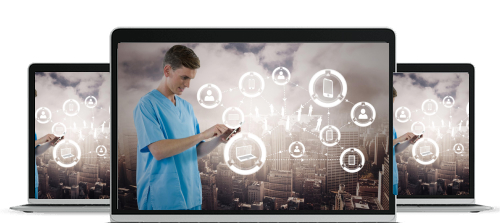
A regional healthcare network struggled with fragmented clinical data spread across 18 different EMR systems, making it difficult to create a unified patient record and integrate connected medical devices into clinical workflows. Zymr developed a FHIR-native interoperability platform that standardized clinical data exchange, streamlined device-to-EHR communication, and enabled real-time access to patient information across the health system. The solution reduced ADT errors by 68% while improving interoperability and clinician productivity.
Project Details →
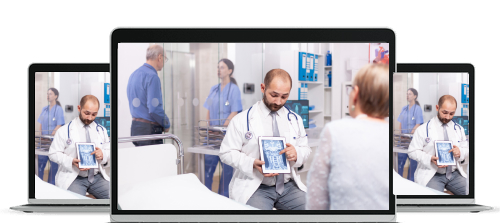
A digital health company required a cloud-native platform capable of supporting multiple healthcare organizations while maintaining HIPAA compliance, secure patient engagement, AI-driven analytics, and seamless EHR integration. Zymr engineered a multi-tenant healthcare platform that combined secure cloud infrastructure, interoperability services, patient applications, and scalable analytics into a unified SaaS solution. The platform enabled rapid onboarding of new healthcare organizations while maintaining strong security and operational efficiency.
Project Details →
An Internet of Medical Things (IoMT) platform is the software foundation that connects medical devices, manages device fleets, ingests and processes clinical telemetry, integrates with healthcare systems, and delivers real-time insights through analytics and AI. Unlike a standalone device application, an IoMT platform supports enterprise-scale device management, interoperability, and clinical workflows.
The cost depends on the number of connected devices, interoperability requirements, cloud infrastructure, AI capabilities, compliance scope, and platform complexity. Organizations often begin with a focused deployment and expand into an enterprise-scale platform as adoption grows.
An IoMT platform captures telemetry from connected devices, normalizes and validates the data, maps it to FHIR resources such as Device and Observation, and securely exchanges information with EHR systems like Epic, Oracle Health (Cerner), and MEDITECH through interoperability services.
Edge computing processes clinical data closer to where it is generated rather than relying entirely on the cloud. This enables low-latency decision-making, offline operation, local AI inference, and faster response for time-critical clinical events.
IoMT platforms are secured through zero-trust architecture, device identity management, X.509 certificate authentication, encrypted communication, role-based access controls, continuous monitoring, network segmentation, and compliance with healthcare cybersecurity standards.
Enterprise IoMT platforms commonly support HIPAA, FDA cybersecurity guidance, IEC 62304 software lifecycle requirements, ISO 13485 quality management systems, HL7, FHIR R4, IHE Patient Care Device (PCD) profiles, and other healthcare interoperability standards.
An IoMT app serves a specific user, such as a clinician or patient. Middleware focuses on connecting devices and systems. An IoMT platform provides the complete infrastructure for device connectivity, fleet management, telemetry processing, interoperability, AI analytics, security, and application development, enabling multiple healthcare solutions to operate from a single foundation.
Modern IoMT platforms typically support MQTT, CoAP, BLE, IEEE 11073, REST APIs, HL7, FHIR, and proprietary device communication protocols. Supporting multiple protocols enables organizations to connect devices from different manufacturers within a single platform.
Device fleet management enables healthcare organizations to provision, authenticate, monitor, configure, update, and troubleshoot thousands of connected medical devices from a centralized platform. It improves operational visibility while simplifying device lifecycle management.
AI continuously analyzes streaming device data to detect patient deterioration, identify cardiac arrhythmias, predict equipment failures, prioritize clinical alarms, and generate operational insights. This helps clinicians make faster, more informed decisions while improving patient outcomes.
Yes. Modern IoMT platforms are designed to scale from small pilot deployments to enterprise healthcare networks by supporting multi-tenant cloud architectures, centralized device management, elastic infrastructure, and continuous onboarding of new devices and facilities.
Pricing depends on platform scope, connected device volume, interoperability requirements, cloud architecture, AI capabilities, regulatory requirements, and engagement model. Organizations can engage Zymr through project-based delivery, dedicated engineering teams, or long-term Global Capability Center (GCC) engagements.
Connect Every Device. Transform Every Data Stream. Improve Every Patient Outcome.