
Free GCC Assessment with Experts


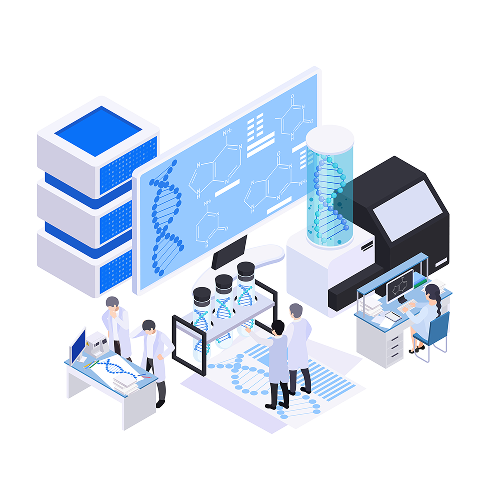
Developing a successful SaMD requires regulatory and engineering decisions to stay aligned from day one. Zymr delivers integrated FDA SaMD Consulting and Development Services, combining FDA strategy, IEC 62304-compliant software engineering, verification and validation, quality management, and submission support into one seamless engagement.
Backed by our Medical Device Software Development Services expertise, we help healthcare organizations accelerate FDA readiness while building secure, scalable, and production-ready medical software.
FDA Strategy → Engineering → Submission
IEC 62304-Compliant Development
AI/ML SaMD & PCCP Ready
One Team. No Handoff
FDA SaMD Service Needs
SaMD Classification & Regulatory Strategy
Every successful FDA submission begins with the right regulatory strategy.We help organizations determine whether their software qualifies as SaMD, define intended use and indications for use, assess regulatory risk, and identify the most appropriate FDA pathway before development begins.
510(k), De Novo & PMA Submission Consulting
Selecting the right submission pathway is critical to reducing regulatory delays.We guide organizations through Traditional, Special, and Abbreviated 510(k) submissions, De Novo requests, PMA strategies, predicate analysis, and submission planning to support efficient FDA review.
Pre-Submission (Q-Sub) & FDA Interaction
Early engagement with the FDA can reduce uncertainty throughout the development lifecycle. Supported by our FDA SaMD consulting expertise, we prepare Pre-Submission (Q-Sub) packages, facilitate FDA interactions, develop meeting strategies, and help organizations obtain early regulatory feedback before formal submission.
IEC 62304-Compliant SaMD Development
Regulatory success depends on software engineered for compliance from the outset. Built on our Medical Device Software Development Services expertise, we develop secure cloud, web, mobile, and embedded SaMD applications aligned with IEC 62304, design controls, cybersecurity requirements, and software lifecycle best practices.
AI/ML SaMD & PCCP Strategy
AI-powered medical software introduces unique regulatory challenges that extend beyond traditional SaMD development. We help organizations engineer AI/ML-enabled SaMD solutions, develop Predetermined Change Control Plans (PCCPs), implement model monitoring strategies, and prepare documentation aligned with evolving FDA guidance for adaptive AI systems.
Verification, Validation, Quality Management & Post-Market Support
FDA compliance continues long after product clearance. We provide software verification and validation, quality management support, cybersecurity documentation, post-market change assessments, and ongoing regulatory maintenance to help organizations keep their SaMD products compliant throughout their lifecycle.
FDA SaMD Consulting + Development Capabilities
Regulatory Strategy & Classification Layer

FDA Submission Layer
FDA Interaction Layer
SaMD Development Layer
AI/ML SaMD & PCCP Layer
Quality & Compliance
FDA SaMD Consulting and Development Services
Community Health Network Enables AI-Powered Early Sepsis Detection
A 4,500-bed community health network needed an AI-powered clinical decision support platform capable of continuously analyzing patient data and detecting early signs of sepsis while supporting a scalable, regulated clinical environment. Zymr engineered an AI-driven clinical intelligence platform that detected sepsis up to 19 hours earlier and contributed to a 29% reduction in sepsis-related mortality, demonstrating the engineering rigor required for regulated clinical software.
Project Details →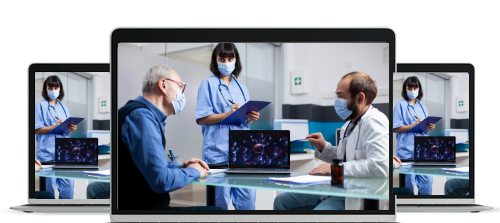
Community Health Network Deploys IoMT Platform for Early Sepsis Detection
A large healthcare network required an enterprise IoMT platform capable of securely integrating connected medical devices, continuously monitoring patient data, and supporting proactive clinical intervention across more than 4,500 beds.Zymr developed an enterprise-grade IoMT platform that combined AI-powered analytics, connected medical devices, and secure healthcare software engineering to improve patient monitoring and clinical outcomes.
Project Details →
Mid-Sized Health Plan Builds AI-Powered Healthcare Analytics Platform
Zymr engineered a scalable digital health platform for Mozzaz, enabling secure remote patient monitoring, EHR integration, and configurable patient interventions through a cloud-native, API-first architecture. The platform supports connected care while maintaining HIPAA compliance and seamless healthcare interoperability. Its modular architecture enables real-time clinical data exchange, simplifies the integration of connected health devices, and provides a scalable foundation for AI-powered care delivery and future digital health innovations.
Project Details →
Who We Serve
Digital Health & SaMD Startups
AI/ML Medical Software Companies
Diagnostic & Medical Imaging Software Companies
Digital Therapeutics (DTx) Companies
Medical Device Manufacturers
Clinical Decision Support Vendors
Remote Patient Monitoring & Connected Care Companies
Pharmaceutical & Drug-Device Organizations
Why Zymr
Consulting and Development Under One Roof
Proven FDA Submission & Interaction Expertise
AI/ML SaMD Engineering for the Next Generation of Medical Software
One Continuous Journey from Classification to Clearance
Regulatory & Engineering GCC Teams
Frequently Asked Questions
What are FDA SaMD Consulting and Development Services?
FDA SaMD Consulting and Development Services combine regulatory consulting with software engineering to help organizations bring Software as a Medical Device (SaMD) products to market. These services typically include product classification, regulatory strategy, FDA submissions, compliant software development, verification and validation, and post-market support.
Which FDA pathway should I choose: 510(k), De Novo, or PMA?
The appropriate pathway depends on your product's intended use, risk classification, and whether a legally marketed predicate device exists.
510(k): For products substantially equivalent to an existing device.
De Novo: For novel, low-to-moderate risk devices without a predicate.
PMA: For high-risk devices requiring extensive clinical evidence.
Selecting the right pathway early can significantly reduce regulatory delays.
How can I reduce the risk of receiving an FDA Refuse to Accept (RTA) letter?
Avoiding an RTA begins with a well-prepared submission. Complete technical documentation, clear intended use statements, appropriate predicate analysis, cybersecurity documentation, software lifecycle evidence, and thorough verification and validation all contribute to a submission that satisfies FDA acceptance criteria.
What happens after FDA clearance?
Regulatory responsibilities continue after clearance. Organizations must manage software updates, cybersecurity, post-market surveillance, complaint handling, quality management, and regulatory assessments for future product changes to maintain ongoing compliance.
How do I know if my software qualifies as Software as a Medical Device (SaMD)?
Software is generally considered SaMD if it performs a medical function without being part of a physical medical device. Determining whether your software qualifies depends on its intended use, clinical claims, and risk profile. A regulatory assessment helps establish the appropriate classification before development begins.
What is a predicate device and why is it important?
A predicate device is a legally marketed medical device used to demonstrate substantial equivalence during a 510(k) submission. Identifying an appropriate predicate helps establish the regulatory pathway and defines much of the supporting evidence required by the FDA.
How is AI/ML Software as a Medical Device regulated?
The FDA expects AI-enabled SaMD products to demonstrate safety, effectiveness, transparency, and ongoing lifecycle management. Organizations developing adaptive AI solutions should also prepare Predetermined Change Control Plans (PCCPs), model monitoring strategies, validation evidence, and documentation that supports future algorithm updates.
How does Zymr price FDA SaMD Consulting and Development Services?
Pricing depends on the scope of regulatory consulting, submission complexity, software development requirements, AI capabilities, verification and validation activities, and post-market support. Organizations can engage Zymr for regulatory strategy, engineering, submission support, or an end-to-end delivery model through our Global Capability Center (GCC).
Ready to navigate the FDA and build your SaMD with one team?
Regulatory strategy. IEC 62304-compliant engineering. AI-ready development. One partner from concept to clearance.

.svg)
.svg)
.svg)
.svg)
.svg)
.svg)