
Personalisation in Healthcare: How Data & AI Are Transforming Patient Experiences

Nirmal Suthar
Associate Director of Software Engineering
January 4, 2026
Key Takeaways:
- Personalisation in Healthcare moves beyond the traditional one-size-fits-all model, using data and AI to tailor treatment, communication, and care pathways for each patient.
- The market for personalised medicine and AI-enabled healthcare is growing rapidly. The global personalised medicine market was estimated at roughly USD 567.10 billion in 2024.
- Data from genomics, EHRs, and wearable devices form the foundation, but its effective utilisation requires robust infrastructure to overcome challenges like data silos and security.
- Implementing personalisation requires attention to data quality, privacy, interoperability, and the use of fair and explainable algorithms.
- Organisations that adopt best practices and advanced tech stacks are positioned to lead the next wave of patient-centric care.
In an era where one-size-fits-all approaches in healthcare are increasingly falling short, personalisation stands out as a powerful transformation. Personalisation in healthcare holds the promise of delivering the proper treatment to the right patient at the right time. With rapid advancements in data collection, computing power and artificial intelligence (AI), what was once a futuristic vision is steadily becoming today's reality.
From tailored treatment plans based on genomics to predictive patient monitoring using wearable data, personalisation in healthcare is reshaping how patients experience care and how providers deliver it. In this blog, we’ll explore how data and AI are fueling that transformation, examine real-world applications, and discuss what lies ahead, as well as how organisations like yours can leverage these trends to deliver truly personalised patient experiences.
Market Insights: The Rise of Personalised Healthcare
The market for personalised healthcare, often framed more broadly as personalised medicine, is surging. According to a recent industry analysis by Grand View Research, the global personalised medicine market was estimated at USD 567.10 billion in 2024, with forecasts projecting it will nearly double to USD 1,196.18 billion by 2033, growing at a compound annual growth rate (CAGR) of about 8.8%.
These data points highlight a powerful inflexion: as demand for personalised care rises, and as AI and data capabilities expand, the healthcare industry is pivoting toward more individualised, data-driven patient experiences at scale.
Now that we have established the economic momentum, let's clearly define what personalisation means in a clinical setting and how it differs from the traditional approach.
Understanding Personalisation in Modern Healthcare
Personalisation in Healthcare is the practice of tailoring medical care to the individual patient's unique needs, preferences, and circumstances. It is a holistic concept that covers far more than just drug therapies.
Unlike traditional care models, where every patient with a similar diagnosis receives a uniform treatment approach, personalised healthcare considers a patient's genetic makeup, lifestyle, environment, medical history, and current needs to design an optimal, well-adjusted care plan.
This shift is being driven by exponential growth in medical data and the rise of intelligent technologies that make sense of that data. This approach shapes every part of the patient journey, from initial symptom checking and diagnosis to treatment, recovery, and proactive wellness management. It talks beyond the idea of patient centricity by actually delivering individualised experiences using data-driven insights. This leads to better patient engagement and stronger adherence to care plans.
At its core, personalisation in healthcare prioritises three pillars.
- A deeper understanding of the individual
Clinical records, behavioural insights, genetic markers, lifestyle patterns and patient-generated data create a complete picture of the patient’s health status, risks and care needs.
- Tailored care delivery models
Personalised care uses data-driven insights to shape treatment choices, monitoring strategies, communication preferences and follow-ups.
- Proactive decision support
AI-enabled tools help providers predict complications, identify deterioration early and guide patients toward the most effective interventions based on evidence and historical outcomes.
As healthcare systems move toward value-driven, patient-centric models, personalisation is becoming an essential pillar of modern medical practice. It improves the quality of care, enhances patient satisfaction and strengthens long-term outcomes.
The foundation of this personalized approach is, without a doubt, data. But what kind of data is crucial, and what obstacles prevent us from using it fully?
The Role of Data in Healthcare Personalisation
Data is the backbone of personalisation in healthcare. Every personalised recommendation, treatment plan or patient interaction relies on accurate, timely and holistic data. When providers understand a patient’s complete health picture, they can deliver care that is more relevant, proactive and effective. Modern healthcare organisations now collect data from multiple sources, allowing them to predict risks, tailor interventions and support patients throughout their care journey.
Data also helps bridge gaps between different care teams. When information flows smoothly across departments, specialists and digital systems, patients receive coordinated care instead of fragmented experiences. With the right data foundation, personalisation becomes not just possible, but scalable across entire health systems.
Types of Healthcare Data Powering Personalisation
Personalisation in healthcare relies on a rich ecosystem of data that captures a patient’s clinical history, daily behaviours and real-time health signals. Each data type contributes unique insights, allowing providers and AI systems to build a complete and accurate understanding of the individual. Here are the key categories:
1. Electronic Health Records
EHR data includes medical history, diagnoses, lab results, allergies, prescriptions and physician notes. This is the core clinical dataset that forms the foundation of personalised care decisions.
2. Genomic and Biomarker Data
Genetic sequencing, biomarkers and molecular data help identify a patient’s predisposition to specific diseases and guide personalised treatments, especially in oncology and precision therapeutics.
3. Medical Imaging Data
CT scans, MRIs, X rays and other imaging outputs reveal structural and functional information about the body. AI models use this data to detect abnormalities early and tailor care recommendations.
4. Wearable and Remote Monitoring Data
Smartwatches, fitness trackers, and home monitoring devices generate continuous data points, including heart rate, sleep patterns, glucose levels, and physical activity. This real-time information enables personalised alerts and preventive interventions.
5. Behavioural and Lifestyle Data
Information about diet, exercise, social habits, mental health and daily routines adds essential context. This helps providers understand how lifestyle choices influence clinical outcomes and personalise wellness plans.
6. Patient Reported Data
Surveys, symptom checkers and mobile health apps capture patient feedback and self-reported symptoms. These inputs allow for timely personalisation of follow-ups, medications and care recommendations.
Together, these diverse datasets fuel intelligent systems that deliver precision insights tailored to each patient.
Challenges in Healthcare Data Utilisation
While data is essential for personalisation in healthcare, many organisations struggle to use it effectively. The complexity, volume and sensitivity of health information create significant obstacles that must be addressed to deliver safe and meaningful personalised care. Here are the important challenges.
1. Data fragmentation across systems
Patient information is often stored in disconnected EHR platforms, lab systems, imaging tools and external provider networks. This makes it challenging to build a unified patient profile and limits the accuracy of personalised insights.
2. Poor data quality and inconsistencies
Incomplete records, outdated information, duplicate entries and variations in documentation reduce the reliability of the data. Personalisation depends on clean, standardised and high-quality data, making data governance essential
3. Interoperability gaps
Many healthcare systems struggle to exchange information seamlessly due to incompatible data formats or outdated legacy infrastructure. Limited interoperability prevents real-time personalisation and disrupts coordinated care delivery.
4. Privacy, security and compliance concerns
Healthcare data is highly sensitive. Strict regulations such as HIPAA require robust protection of patient information. Ensuring secure data access without compromising personalisation is a constant challenge for providers.
5. Limited analytics maturity
Some healthcare organisations lack the advanced analytics capabilities needed to generate actionable insights from complex datasets. Without strong data science and AI frameworks, personalisation efforts remain basic or inconsistent.
6. Bias and fairness risks
If the underlying data is biased or unrepresentative, AI-driven personalisation may produce unfair or inaccurate recommendations. Ensuring diversity, fairness and transparency in data and algorithms is critical.
These challenges highlight why data management, interoperability and strong security frameworks are foundational to successful personalisation initiatives.
Collecting the data is the first step. The second, and most important, step is using a powerful tool, Artificial Intelligence, to make sense of it all and turn data into personalised action.
How AI Is Transforming Personalised Patient Experiences
Artificial intelligence is accelerating the shift toward personalisation in healthcare by turning complex, multi-source data into meaningful insights that improve care quality and patient engagement. Instead of relying only on manual interpretation of medical records, AI enables providers to understand patterns, predict risks and recommend personalised actions with greater speed and accuracy.
AI supports personalisation in several powerful ways:
- Predicting Future Risks: AI models analyse a patient’s unique profile to predict the likelihood of developing a chronic condition, having a severe reaction to a drug, or needing to be readmitted to the hospital. This allows doctors to intervene proactively, often preventing illness before symptoms even appear.
- Turbocharging Diagnostics: AI algorithms can examine complex medical images (like X-rays or MRIs) or genetic sequences much faster and, in many cases, more accurately than the human eye. This leads to quicker, highly personalised diagnoses specific to the molecular profile of a disease.
- Optimizing Treatment Choices: ML models help clinicians by recommending the most effective drug combination, dose, or therapeutic strategy for an individual patient. These recommendations are based on analysing millions of historical patient cases combined with the patient’s own genetic and clinical data.
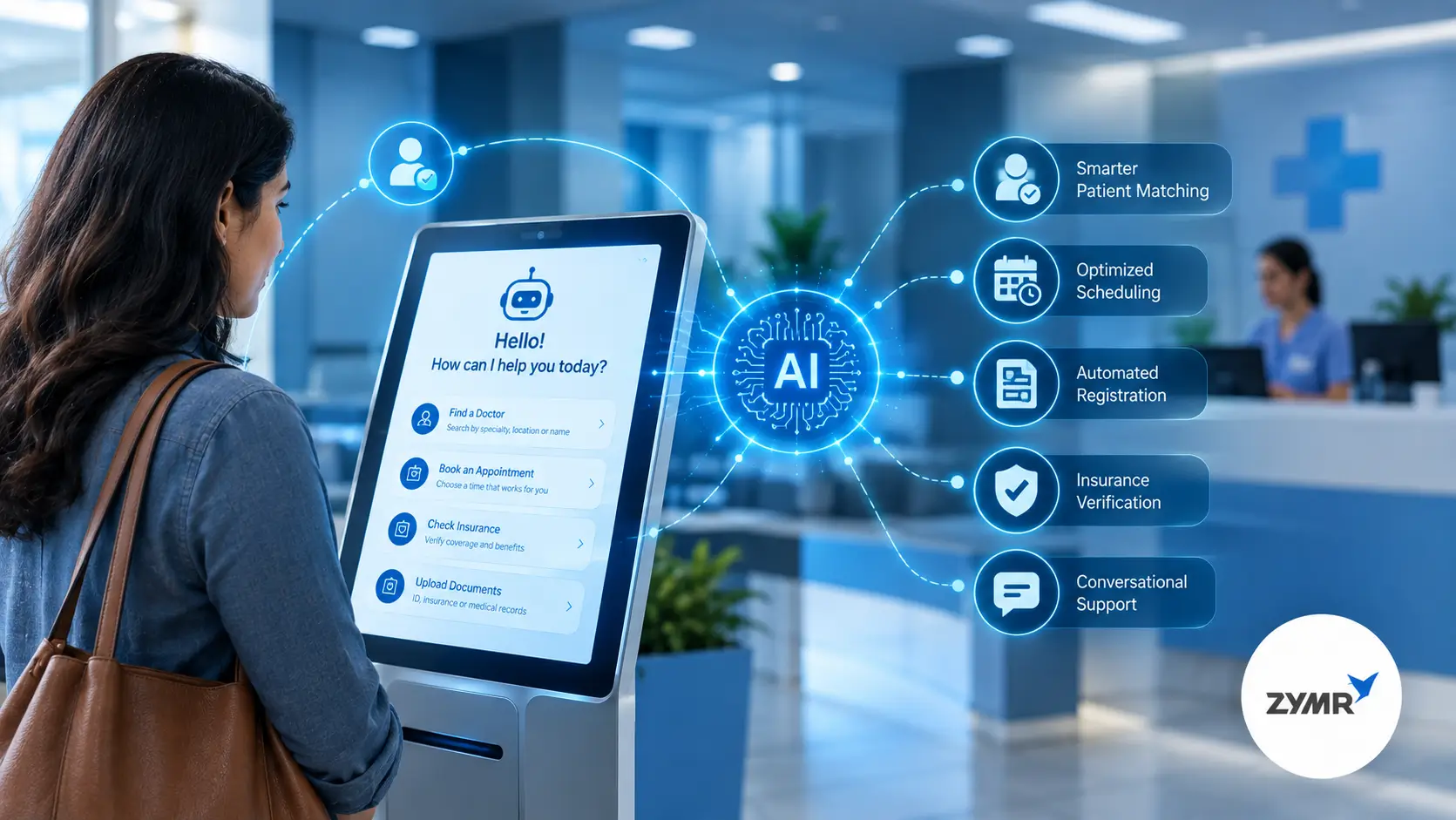
- Supercharging Patient Engagement: AI powers smart tools like virtual assistants and personalized communication platforms that offer support around the clock. They can answer questions, schedule follow-ups, and send tailored, timely reminders about medication adherence, significantly improving the overall patient experience.
- Real-time monitoring and personalised alerts: AI processes continuous input from wearables, remote monitoring devices and mobile health apps. It can send customised alerts for abnormal readings, medication reminders or wellness nudges, improving daily patient support.
- Personalised clinical workflows for providers: AI reduces administrative burden by summarising clinical information, automating documentation and prioritising cases based on personalised risk scores. This enables clinicians to focus more on meaningful patient interactions.
AI is not just a theoretical concept; it is already driving real-world changes across every major medical specialty, leading to tangible improvements in patient care.
Key Personalization Use Cases Across Healthcare
Personalisation in healthcare is no longer theoretical. It is actively transforming clinical workflows, patient interactions and care outcomes across the entire healthcare ecosystem. Here are some of the most impactful real-world use cases.
- Customised Preventive Health: AI uses genetic risk factors combined with lifestyle data to create individualised wellness blueprints. This includes tailored advice on diet, fitness routines, and screening schedules designed to address a patient’s specific health vulnerabilities proactively.
- Highly Targeted Cancer Treatment (Precision Oncology): Instead of using a generalised chemotherapy, doctors analyze the specific genetic mutations in a tumour. AI helps select an immunotherapy or targeted drug that has the highest probability of destroying that patient's unique cancer cells, reducing harmful side effects and improving success rates.
- Faster and Safer Drug Development: AI is used by pharmaceutical companies to quickly analyze how different groups of patients respond to a new drug. This accelerates the creation of therapies that are both effective and safe for specific patient populations. This process benefits greatly from techniques like Generative AI in healthcare, offering opportunities and cautions beyond simple applications.
- Tailored Education and Communication: Patients receive reminders, educational materials, and post-treatment instructions in their preferred language, through their chosen method (text, app, email), and at a time that maximises the chance they will engage with the information.
- Smarter Remote Monitoring: For patients managing chronic conditions at home, AI customises the alert settings on monitoring devices. Instead of a standard threshold, the system flags changes relative to that individual’s normal baseline, allowing care teams to intervene at the earliest sign of a personalised health decline.
The practical benefits of adopting these use cases are clear, providing significant advantages not just to patients but to the providers and payers who serve them.
Benefits of Personalisation in Healthcare
Personalisation in healthcare creates value at every level, from improving clinical outcomes to optimizing operational efficiency. When healthcare organisations understand each patient’s unique context, they can deliver care that is more accurate, timely and meaningful. Below is an expanded look at the key benefits.
1. Improved patient outcomes through tailored interventions
Personalised care plans reflect an individual’s medical history, genetics, lifestyle patterns and risk factors. This allows clinicians to prescribe treatments that are more effective for that specific patient.
For example, predictive models can identify early signs of deterioration, enabling timely intervention and reducing the likelihood of complications or hospital readmissions. As treatments become more targeted, recovery times shorten and long term outcomes improve significantly.
2. Higher patient engagement and satisfaction
Patients feel more understood when healthcare providers tailor communication, follow-up plans and educational content to their needs. Personalised reminders, symptom tracking, care instructions and wellness tips create a sense of continuous support.
This increases patient trust and encourages them to actively participate in their care journey. Engaged patients are more likely to report symptoms accurately, follow treatment plans and maintain healthier behaviors.
3. Increased medication adherence and safety
Medication adherence improves when dosages, reminders and risk alerts are personalized to the individual. Pharmacogenomic insights also help providers determine which drugs are likely to work best for each patient.
This reduces adverse drug reactions, minimizes trial and error and makes treatment safer and more effective, particularly for chronic disease management.
4. Enablement of proactive and preventive care
Instead of waiting for symptoms to escalate, predictive analytics helps identify high risk patients early. Personalized alerts and preventive strategies can reduce emergency care utilization.
For instance, wearable data may reveal early patterns of cardiac stress, prompting timely intervention. Preventive personalisation reduces healthcare costs, enhances quality of life and strengthens population health outcomes.
5. Reduced care fragmentation and improved continuity
Personalization relies on integrated data, so it naturally reduces information silos. When EHRs, imaging systems, laboratories and wearable data are unified, all teams have access to the same complete patient view.
This improves coordination among primary care physicians, specialists, nurses and remote care teams, ensuring the patient experiences smooth, consistent and collaborative care.
6. Greater operational efficiency for healthcare providers
Personalization powered by AI and automation can drastically reduce clinician workload. From risk-based triaging to automated documentation and personalized care workflows, providers save time and can focus more on direct patient interactions.
This leads to lower burnout, faster decision-making and more accurate clinical assessments.
7. Better resource allocation and cost optimisation
Health systems can allocate resources more efficiently when they understand each patient’s risk level and care needs. For example, high risk patients may receive intensive monitoring, while low-risk individuals can be managed through automated personalized care paths.
This reduces unnecessary tests, minimises avoidable hospitalisations and leads to more sustainable healthcare operations.
Together, these benefits illustrate why personalisation is quickly becoming a strategic priority for modern healthcare systems.
Technologies Enabling Healthcare Personalisation
A modern personalised healthcare ecosystem relies on a powerful combination of technologies that gather data, interpret insights and deliver tailored experiences at scale. These technologies work together to help providers understand patients more deeply, predict risks earlier and design care journeys that truly reflect individual needs.
1. Artificial intelligence and machine learning
AI and ML algorithms analyse vast amounts of structured and unstructured medical data to uncover patterns that humans cannot detect manually. They support everything from predictive care models to personalised treatment recommendations. Healthcare organisations are also exploring how generative AI can transform unstructured data into actionable intelligence.
2. Cloud computing and data platforms
Cloud infrastructure powers secure, scalable data storage and advanced analytics capabilities. It enables interoperability among systems and supports real-time personalisation by giving care teams instant access to complete patient information.
3. Wearables and Internet of Medical Things
Smart devices, such as continuous glucose monitors, fitness trackers, and home health sensors, provide real-time data that fuels proactive, personalised care. These continuous data streams help providers detect early risks and deliver timely interventions.
4. Genomic sequencing technologies
Advances in sequencing tools have enabled the understanding of genetic factors that influence disease risk and treatment response. This has resulted in highly personalised strategies in oncology, cardiology and rare disease management.
5. Natural language processing
NLP or Natural Language Processing helps in converting complex clinical notes, radiology reports, discharge summaries and patient feedback into meaningful insights. It enables providers to create comprehensive patient profiles that strengthen personalisation across diagnoses, treatment and engagement.
6. Remote care and telehealth platforms
Virtual care tools enable personalised follow-ups, symptom monitoring and care navigation. They allow patients to receive ongoing personalised support from anywhere, reducing gaps in care.
7. Data integration and interoperability frameworks
APIs, FHIR-based systems serve as digital bridges, enabling different, often incompatible, healthcare systems (EHRs, labs, devices) to communicate securely and share data using common language standards, such as FHIR. This is essential for a unified patient view.
Together, these technologies form the digital backbone of personalisation in healthcare. They make it possible for providers to deliver experiences that are more connected, predictive and human-centred.
Implementation Best Practices for Providers
Delivering meaningful personalisation in healthcare requires more than adopting AI tools or collecting patient data. It demands a strategic approach that aligns technology, processes and people.
Healthcare organisations that follow structured best practices are more likely to deliver accurate, safe and scalable personalised experiences. Here are the essential guidelines.
1. Establish a strong data governance foundation.
Personalisation relies on trustworthy data. Providers should invest in clear data governance frameworks that define how data is collected, standardised, validated and shared.
High-quality data reduces errors, strengthens predictive accuracy and ensures reliable clinical decision-making.
2. Prioritise interoperability across all systems.
To create a unified patient view, EHRs, lab systems, imaging platforms, telehealth tools and remote monitoring devices must work together seamlessly. APIs, HL7 and FHIR-based integrations help eliminate data silos, enabling consistent personalisation across care settings.
3. Embed AI responsibly and transparently.
AI models must be trained on diverse datasets to avoid bias and should be explainable so clinicians understand how recommendations are generated.
Providers should regularly audit algorithms to ensure fairness, accuracy and compliance with healthcare regulations.
4. Maintain strong security and privacy controls.
Personalisation requires access to sensitive patient data. Encryption, access controls, audit logs, and secure cloud environments are essential for remaining compliant with HIPAA and other global health regulations.
A privacy-first approach builds patient trust and keeps data safe.
5. Start with high-value, measurable use cases.
Instead of attempting a full-scale transformation, healthcare organisations should begin with targeted personalisation pilots such as chronic disease management programs, predictive readmission alerts or personalised medication reminders.
Quick wins accelerate adoption and demonstrate impact.
6. Strengthen clinical workflow integration.
AI tools and personalised recommendations should fit naturally into existing provider workflows. If personalisation creates an additional burden, adoption will drop.
Seamless integration ensures that clinicians can act on insights without operational disruption.
These insights help improve AI models and fine-tune personalisation strategies.
When these best practices come together, personalisation becomes a sustainable capability that improves patient experiences and operational performance across the healthcare ecosystem.
Future Trends in Healthcare Personalisation
The future of personalisation in healthcare is accelerating as emerging technologies, richer datasets, and more advanced AI models reshape how patients receive care. Over the next decade, personalisation will evolve from reactive recommendations to continuous, anticipatory guidance that is deeply embedded in every interaction between patients and providers. Here are the most influential trends shaping the next wave of personalised care.
1. Generative AI for personalised education and interaction
Generative AI in healthcare will create personalised explanations of diagnoses, treatment options and medication instructions in plain language suited to each patient’s literacy level and communication preferences.
2. Hyper-personal care journeys powered by unified data ecosystems
Healthcare organisations are moving toward unified data platforms that merge EHRs, genomics, imaging, behavioural data and remote monitoring insights. As these ecosystems mature, real-time personalisation will become the norm, enabling care teams to anticipate patient needs long before symptoms appear.
3. AI copilots for clinicians.
Clinicians will increasingly rely on AI-enabled assistants that summarise patient history, highlight risks, recommend tailored treatments and draft documentation. These AI copilots will streamline clinical workloads while supporting highly individualised decision-making.
4. Personalization through real time sensing
New generations of wearable devices and Internet of Medical Things sensors will track continuous streams of physiological data. This will enable precision monitoring and early detection of subtle changes that indicate emerging risks or treatment response.
5. Growth of precision therapeutics
Genomic sequencing and biomarker driven insights will expand beyond oncology into cardiology, neurology, autoimmune disorders and rare diseases. Personalised medication selection and dosage optimization will become standard clinical practice.
6. Virtual care models that adapt to patient behavior
Digital health platforms will personalise care pathways dynamically based on real time behavior, symptom patterns and engagement levels. AI will adjust communication frequency, coaching intensity and follow up routines automatically.
7. Predictive population health personalization
Health systems will use AI to identify at-risk populations and tailor preventive programs that address social determinants, lifestyle factors and community-level risks. This will elevate public health strategies from generic to highly individualised.
8. Ethical personalisation and explainable AI
Regulators and healthcare organisations will increasingly demand explainable algorithms, bias detection frameworks and transparent personalisation logic to ensure fairness and trust across diverse patient groups.
These trends highlight a future where personalization is not an add on but a foundational capability of every healthcare system, enabling care experiences that are more predictive, inclusive and patient aligned.
How Zymr Can Help Healthcare Companies Deliver Personalised Patient Experiences
Zymr helps healthcare organisations build intelligent, scalable and secure solutions that deliver deeply personalised patient journeys. With expertise in AI engineering, data platforms, cloud-native architectures, and compliance-driven healthcare software, Zymr enables providers and digital health companies to transform raw data into meaningful, patient-centric experiences.
Building unified data and analytics ecosystems
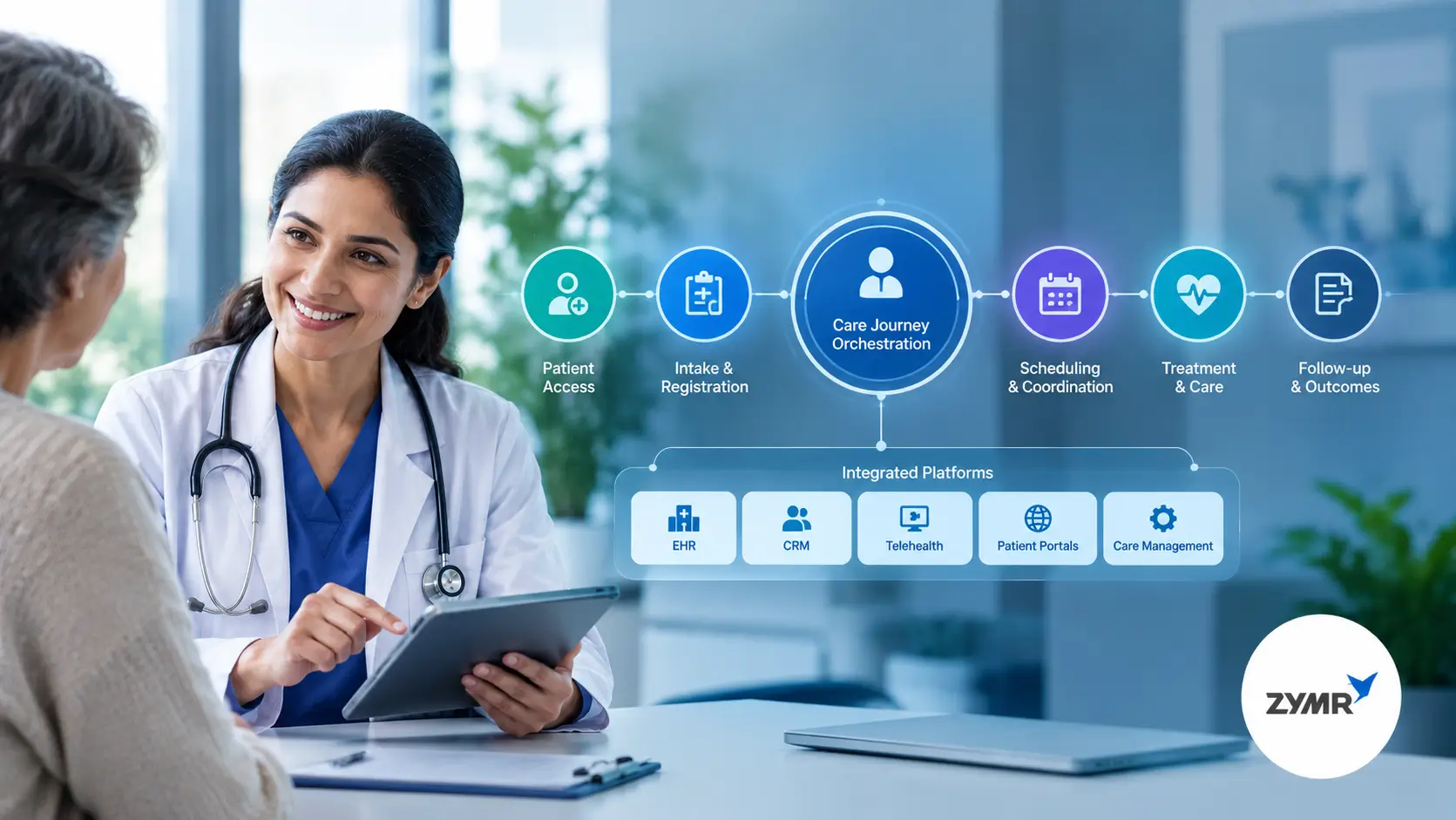
Zymr helps organisations break down data silos by integrating EHR systems, wearable data, imaging repositories and third-party health platforms into unified, interoperable ecosystems.
This creates a complete patient profile that forms the foundation of effective personalisation.
AI-powered insights for precise care delivery
From predictive risk modelling to clinical decision support and personalised engagement tools, Zymr develops AI frameworks that deliver real-time insights. These systems help providers identify early health risks, personalize care plans and automate routine tasks with accuracy and transparency.
Intelligent processing of unstructured healthcare data
Healthcare personalisation depends heavily on understanding unstructured data such as clinical notes, radiology summaries and patient feedback. Zymr specialises in transforming this data into actionable intelligence through advanced NLP and AI techniques.
Scalable cloud architectures for personalised care
Zymr builds secure cloud native infrastructure that supports real-time data processing, high-performance analytics and seamless interoperability. These architectures empower providers to scale personalisation initiatives without compromising performance or compliance.
Secure and compliant healthcare platforms
With deep expertise in HIPAA, HL7, FHIR and global healthcare standards, Zymr ensures every personalisation solution adheres to rigorous security and privacy requirements. This compliance-first approach protects patient data while enabling safe innovation.
Customized patient engagement and digital health experiences
Zymr designs personalized patient portals, mobile health apps, remote monitoring dashboards and communication workflows that adapt to individual needs and preferences. These solutions improve patient satisfaction, adherence and long term outcomes.
By combining advanced AI capabilities with deep healthcare expertise, Zymr empowers organizations to deliver care experiences that are personalized, proactive and truly human centered.
Conclusion
FAQs
What is the difference between personalization and precision medicine?
>
Personalization in healthcare focuses on tailoring the entire patient experience. This includes communication, engagement, monitoring, care pathways and treatment decisions based on an individual’s data. Precision medicine is more narrowly focused on biological and genetic factors that influence how a patient responds to specific treatments. Personalization is holistic while precision medicine is clinically specific.
How does AI improve patient experience in healthcare?
>
AI enhances patient experience by analyzing health data to deliver personalized alerts, tailored care recommendations and real time risk predictions. It also powers virtual assistants, symptom checkers and automated follow ups that make healthcare more accessible and responsive.
Are personalized healthcare systems HIPAA compliant?
>
Personalized healthcare systems can be HIPAA compliant if they follow strict guidelines around data privacy, encryption, access control and secure data sharing. Compliance depends on the design and implementation of the system rather than the personalization approach itself.
How do hospitals implement personalized care workflows?
>
Hospitals enable personalized workflows by integrating EHR data, AI tools, analytics platforms and patient engagement systems into their clinical operations. They train staff, use predictive models for early detection, automate follow ups and tailor communication based on patient preferences.
What data is needed to personalize patient care?
>
A wide range of data supports personalization including EHR records, imaging data, genomic data, wearable insights, patient reported outcomes, behavioral information and real time monitoring signals. Together these datasets help healthcare teams form an accurate understanding of each patient.
Have a specific concern bothering you?
Try our complimentary 2-week POV engagement


Our Latest Blogs

September 28, 2026


.svg)
.svg)
.svg)
.svg)
.svg)
.svg)
