



Buy-side trading often spans disconnected portfolio, compliance, broker, and accounting systems. Our Financial IT Services and Solutions help connect these environments, reduce manual handoffs, accelerate trade execution, and minimize reconciliation effort and operational risk as trading complexity grows.
Zymr builds Trade Order Management Software as the controlled workflow layer between portfolio construction and execution. Our platforms consolidate order creation, allocation, compliance, routing, confirmation, and reconciliation while preserving the operational controls institutional investment teams require. Built on our investment software development expertise, every platform supports real-time decisions without weakening governance.
Real-Time Order Visibility
Automated Compliance Controls
Multi-Asset Trading Workflows
Complete Execution Traceability
Trade Order Solution Modules
We build modular capabilities that connect investment decisions with controlled execution. Each module can be deployed independently or within a unified trade order management system.
Order Capture and Validation
We capture orders from portfolio models, APIs, and external systems. Standardized schemas and validations maintain consistent instructions across connected trading workflows.
Pre-Trade Compliance Management
We apply configurable rules across mandates, restrictions, exposures, and limits. Exceptions enter governed review workflows with complete decision evidence.
Block Order Allocation
We allocate block orders across portfolios using configurable rules and account constraints. Automated validations prevent rounding errors and mandate breaches.
Broker and Venue Routing
We route approved orders through FIX, broker APIs, and execution platforms. Routing logic considers liquidity, urgency, cost, venue, and counterparty preferences.
Execution and Fill Management
We consolidate acknowledgments, fills, cancellations, rejections, and amendments in real time. Traders gain one operational view across brokers and venues.
Post-Trade Reconciliation
We match executions with allocations, positions, and accounting records. Exception workflows identify breaks early and preserve complete resolution histories for auditors.
Key Features
Our buy-side OMS combines low-latency workflows with governed controls. We engineer every feature for institutional scale, operational clarity, and continuous auditability.
Support Multiple Assets
We model equities, fixed income, derivatives, foreign exchange, ETFs, and alternatives. Extensible instruments and workflows accommodate evolving strategies without platform redesign.
Enable Real-Time Compliance
We execute rules before submission, during allocation, and after execution. Versioned policies preserve approvals, overrides, evidence, and historical decision context automatically.
Provide Trader Workspaces
We design configurable blotters for orders, fills, exceptions, and market context. Role-based views reduce noise while keeping critical actions immediately accessible.
Integrate Trading Ecosystems
We connect PMS, EMS, brokers, custodians, market data, risk, and accounting platforms. Resilient APIs and event streams prevent fragile point-to-point dependencies.
Preserve Complete Auditability
We record order versions, rule results, approvals, routing decisions, and execution events. Immutable histories support surveillance, reporting, and regulatory examinations.
Apply Intelligent Automation
We use AI to prioritize exceptions, identify anomalous activity, and recommend routing actions. Human approvals remain embedded wherever fiduciary judgment is required.
How We Build Trade Order Management Software
We treat the OMS trading system as critical trading infrastructure. Our engineering approach aligns domain workflows, integration contracts, performance requirements, and regulatory controls before production rollout.
Map Trading Workflows
We document order sources, approval paths, allocation rules, counterparties, and exceptions. This establishes traceable requirements across front, middle, and back offices.
Design Domain Architecture
We separate order, compliance, allocation, execution, and reconciliation services. Event-driven boundaries support independent scaling, testing, and controlled platform evolution.
Engineer Integration Contracts
We implement FIX connectivity, market feeds, and internal service interfaces. Canonical models reduce transformation errors across the wider investment ecosystem.
Validate Production Behavior
We test throughput, latency, failover, sequencing, and market-volume spikes. Automated regression suites verify every order state and compliance control continuously.
Release Through Controlled Migration
We introduce workflows by desk, strategy, or counterparty. Parallel runs, reconciliation checks, observability, and rollback controls reduce operational transition risk.
Operate With Reliability
We monitor event lag, routing failures, rule latency, reconciliation breaks, and service health. SRE practices keep the platform observable, recoverable, and production-ready.
Case Studies
Investment Firm Trading Infrastructure Optimization
Zymr redesigned an investment firm’s trading infrastructure around distributed in-memory processing, ZeroMQ messaging, and optimized network paths. The architecture accelerated market-data processing and order-book access while improving geographic resilience for latency-sensitive operations.
Project Details →
Investment Portfolio-to-Trade Workflow Automation
Zymr built an AWS-based investment platform connecting portfolio models, automated rebalancing, compliance reporting, custodian data, and brokerage APIs. The solution eliminated 80% of manual rebalancing workflows while creating a more controlled path from portfolio decisions to trade execution.
Project Details →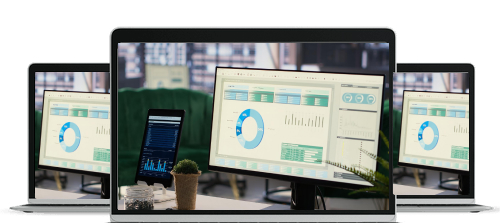
Multi-Asset Algorithmic Trading Engine
Zymr built a configurable algorithmic trading engine for an investment advisory firm managing equities, ETFs, and fixed-income assets. Automated strategy execution, portfolio risk monitoring, anomaly detection, and centralized analytics improved execution speed by 65% and reduced manual trading operations by 50%.
Project Details →
Who We Build Trade Order Management Software For
We adapt each trade OMS to the firm’s investment model, operating structure, execution responsibilities, asset coverage, and regulatory environment.
Support Asset Managers
We connect portfolio decisions, allocations, and broker execution across institutional strategies. Unified workflows improve control without limiting individual desk autonomy.
Enable Hedge Funds
We engineer responsive workflows for complex instruments, and multiple prime brokers. Real-time controls support sophisticated strategies and operational oversight.
Modernize Wealth Platforms
We connect model portfolios, rebalancing instructions, and broker execution. Automated allocations help advisors scale personalized investment management more consistently.
Equip Investment Advisors
We translate approved recommendations into compliance across client accounts. Integrated controls reduce manual processing while protecting mandate and suitability requirements.
Serve Family Offices
We consolidate orders across entities, currencies, and asset classes. Permissioned workflows preserve confidentiality while improving portfolio-wide operational visibility and control.
Power Investment Fintechs
We embed trading workflows into robo-advisory, and digital investment products. API-first services support rapid launches without compromising compliance, security, or scalability.
Why Zymr
Zymr combines financial domain engineering with cloud, data, AI, integration, and platform modernization expertise. We build order management system software that remains dependable when markets, volumes, and operating conditions change.
Engineer Financial Workflows
We understand portfolio, order, execution, allocation, and reconciliation dependencies across investment operations. Domain-driven architecture keeps technical boundaries aligned with accountable business ownership.
Build Event-Driven Platforms
We use durable messaging, idempotent processing, ordered events, and replayable workflows. These patterns preserve transaction integrity across distributed, failure-prone trading environments.
Modernize Without Disruption
We progressively replace brittle modules while maintaining interfaces with existing platforms. Controlled coexistence allows trading operations to continue throughout complex modernization programs.
Embed Compliance Controls
We convert investment mandates, limits, approvals, and supervisory obligations into testable software policies. Versioned rules make every decision explainable, reproducible, and auditable.
Operationalize Responsible AI
We apply AI to exception triage, anomaly detection, surveillance, and routing intelligence. Explainable outputs and human checkpoints keep automation aligned with governance requirements.
Engineer Production Resilience
We design for traffic bursts, partial failures, message duplication, and counterparty outages. Observability, disaster recovery, and automated testing protect business-critical trading continuity.
Frequently Asked Questions
What does trade order management software do for firms?
Trade Order Management Software manages orders from portfolio intent through compliance, allocation, routing, execution, and reconciliation. It gives investment teams one controlled record of each order, its changes, approvals, fills, and downstream accounting impact.
How is artificial intelligence used within modern OMS platforms?
AI can identify unusual orders, prioritize exceptions, predict execution risks, analyze broker performance, and recommend routing strategies. It should support traders and operations teams through explainable recommendations rather than make uncontrolled investment decisions.
What stages make up the complete trade order lifecycle?
The lifecycle normally includes order generation, validation, pre-trade compliance, approval, allocation, routing, execution, confirmation, settlement, and reconciliation. Amendments, cancellations, partial fills, rejected orders, and exceptions are recorded throughout the process.
Can it integrate with PMS, EMS, brokers, and accounting?
Yes. We integrate the trade order management system with portfolio management systems, execution management systems, broker networks, custodians, market-data providers, risk platforms, and accounting systems using FIX, APIs, files, messaging, or event streams.
Let's Connect
Build a More Controlled Trade Order Lifecycle
Connect portfolio intent, compliance, routing, execution, and post-trade operations through Trade Order Management Software engineered for your investment workflows. Talk to Zymr about building a multi-asset OMS, modernizing a legacy platform, or adding resilient trading modules around your existing ecosystem.

.svg)
.svg)
.svg)
.svg)
.svg)
.svg)